
Luxury Dining
Mayfair has one of the highest concentrations of Michelin-starred restaurants anywhere in the world — plus iconic afternoon teas and hidden gems in Shepherd Market.
Read the dining guide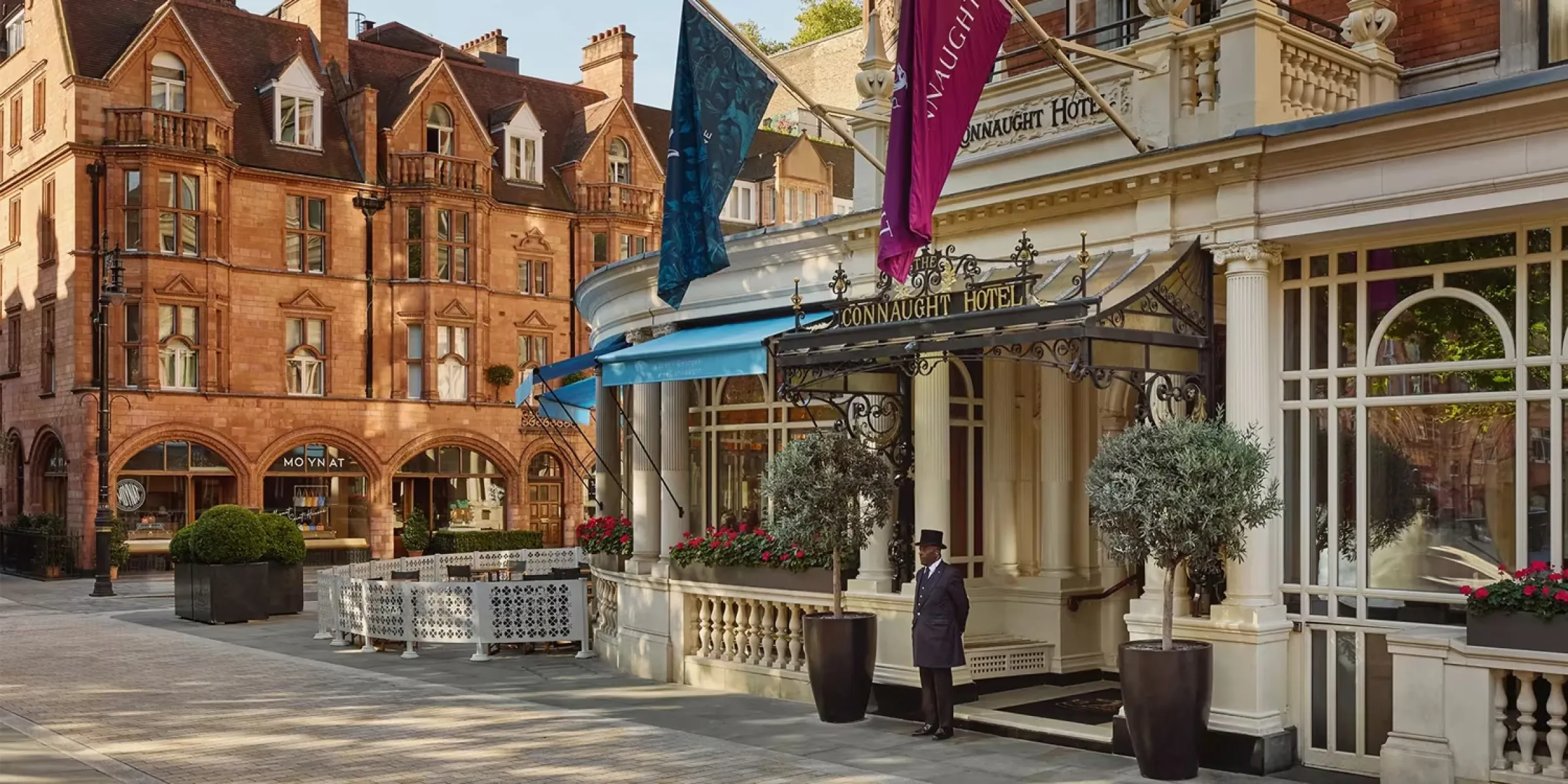
London's most concentrated expression of elegance — a single square mile where five-star hotels, Michelin-starred kitchens, world-class galleries and centuries-old heritage exist within a comfortable walk of one another.
An independent, research-backed guide to the finest hotels, Michelin dining, world-class spas, luxury shopping and exclusive experiences.
What makes Mayfair different from other wealthy London neighbourhoods — Knightsbridge, Chelsea, Belgravia — is character. Mayfair has layers. There's the grand, hotel-and-Bond-Street version that most visitors know. Then there's the quieter, more knowing version: the cobbled mews streets, the intimate restaurants tucked behind Georgian townhouses, the private members' clubs that have shaped British social life for two centuries.
This Mayfair luxury guide is structured around four core pillars — dining, shopping, hotels, and culture — with additional sections on green spaces, hidden gems, and practical planning advice. We've included practical details (prices, booking tips, transport) that most guides leave out, because knowing what to expect is half the experience.
From Michelin stars to iconic afternoon teas.
Bond Street, Mount Street, Dover Street and the art market.
Claridge's, The Dorchester, The Connaught, The Berkeley and beyond.
Royal landmarks, the Royal Academy, Handel & Hendrix.
Mayfair has one of the highest concentrations of Michelin-starred restaurants anywhere in the world — plus iconic afternoon teas and hidden gems in Shepherd Market.
Read the dining guide
Bond Street's flagships, Mount Street's connoisseur addresses and Dover Street Market's avant-garde edit — competing credibly with Avenue Montaigne and Fifth Avenue.
Read the shopping guide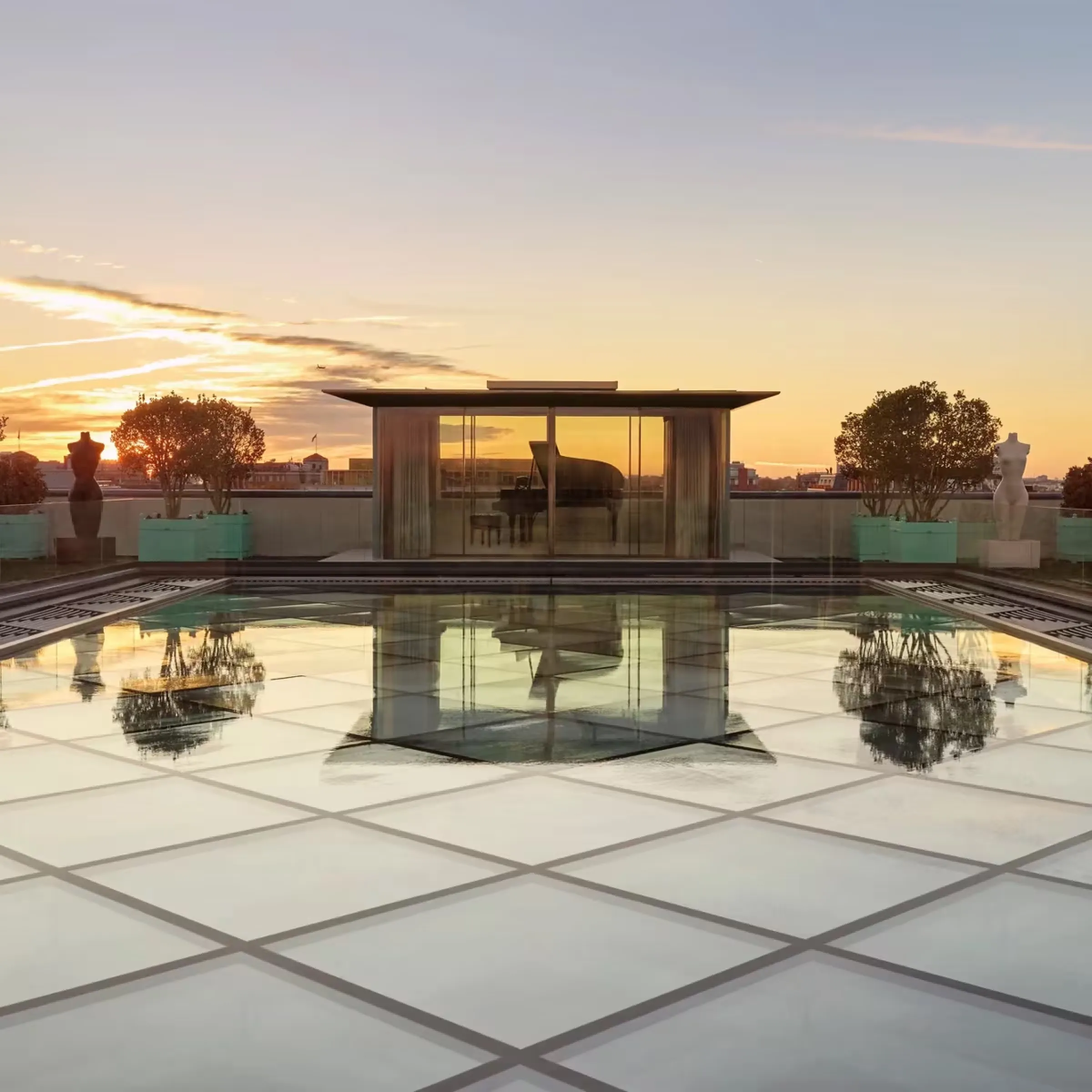
Claridge's art deco grandeur, The Dorchester's Hyde Park views, The Connaught's world-best bar, The Berkeley's rooftop pool.
Compare Mayfair hotels
Buckingham Palace's State Rooms, the Royal Academy of Arts at Burlington House, and Handel & Hendrix in London — Mayfair's most unexpected gem.
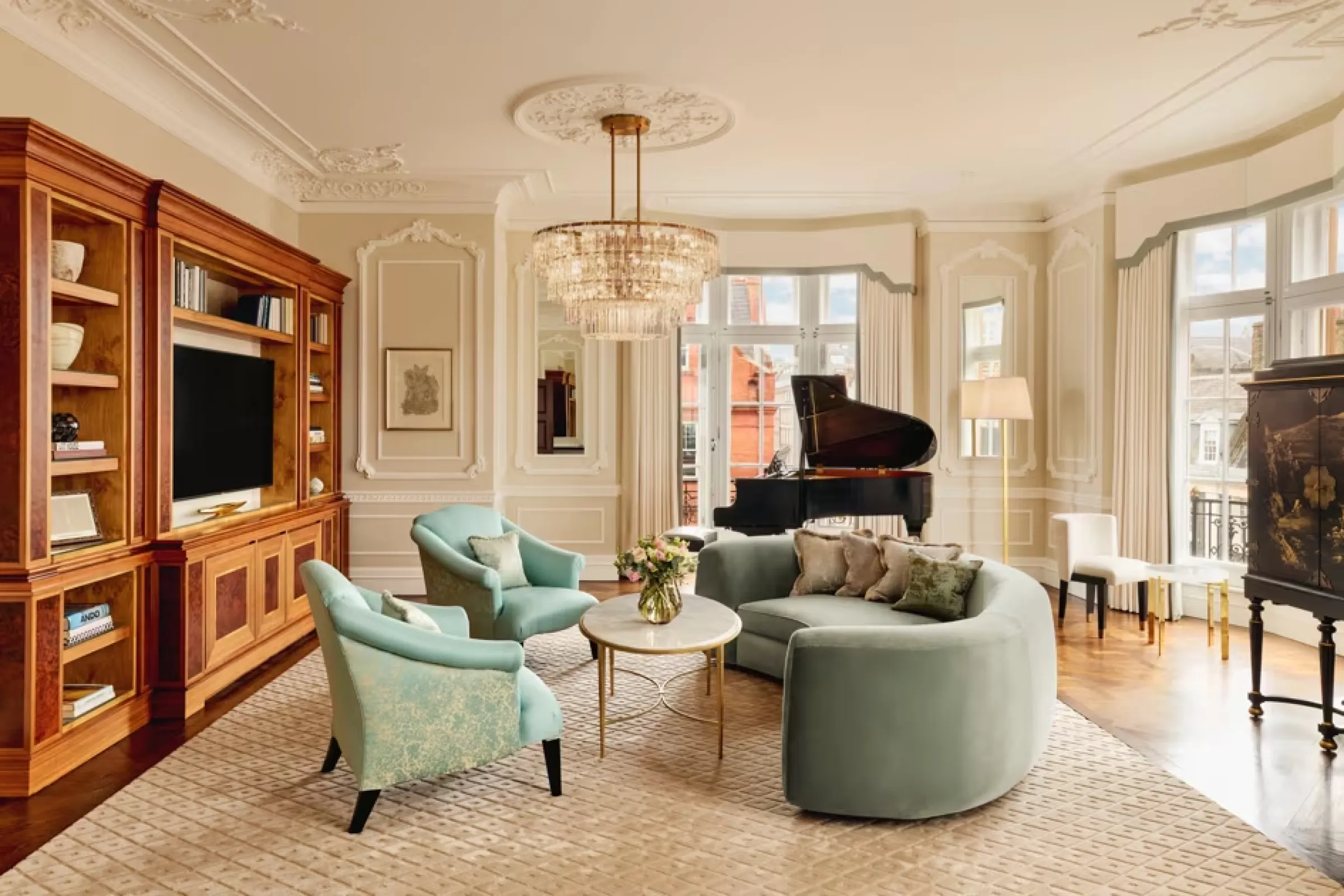
Art Deco Grandeur
Claridge's is, by almost any measure, London's most iconic hotel. The art deco interiors — restored and enhanced over decades — are extraordinary. Rooms start at around £700–£800 per night for a standard double; suites from £1,500 upwards.
Best for: couples, honeymooners, and anyone celebrating a significant occasion.
Read the review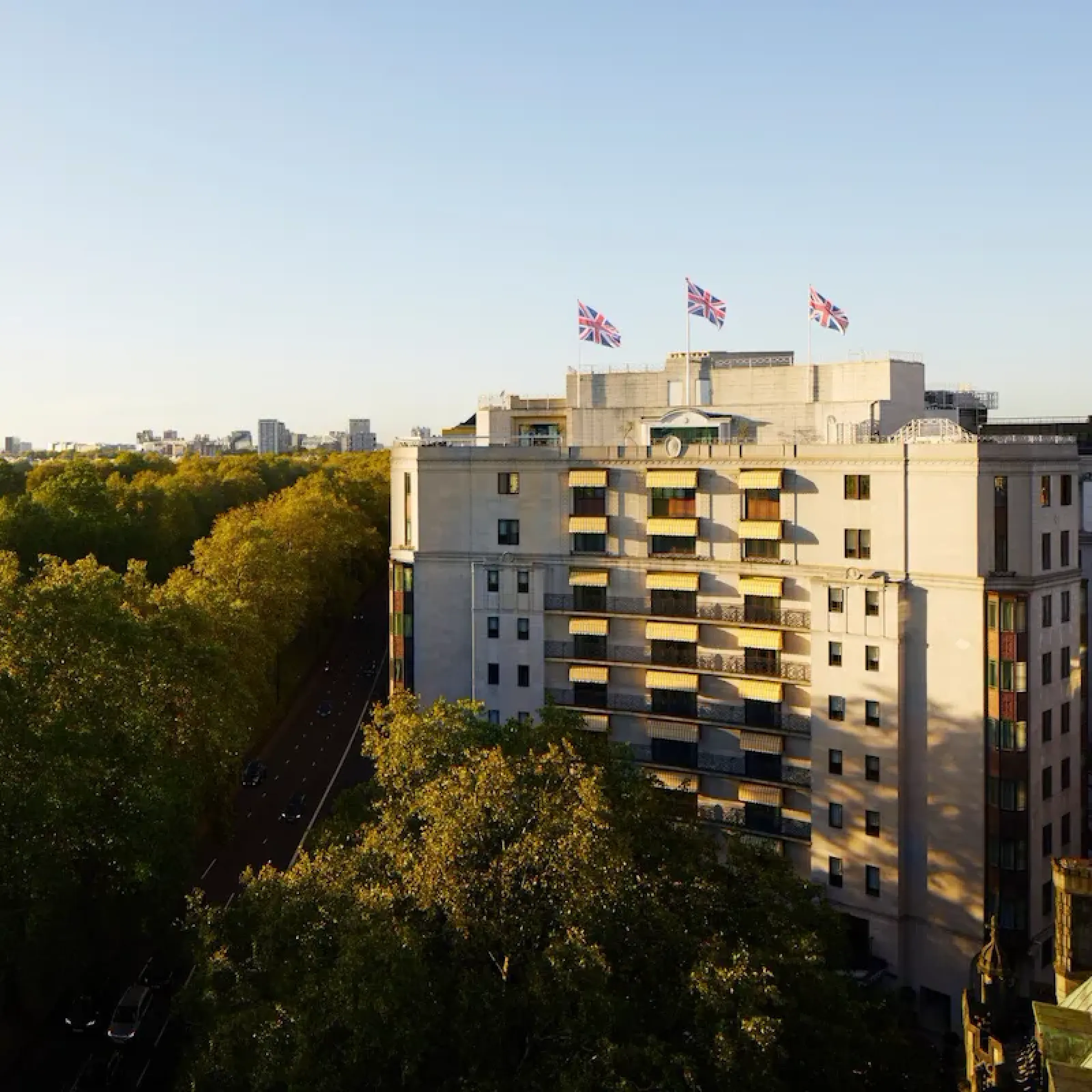
Hyde Park Views
A Park Lane fixture since 1931, with front rooms looking directly over Hyde Park. £650–£900 for a standard room.
Best for: business travellers, families (connecting rooms + babysitting available), guests who prioritise views.
Read the review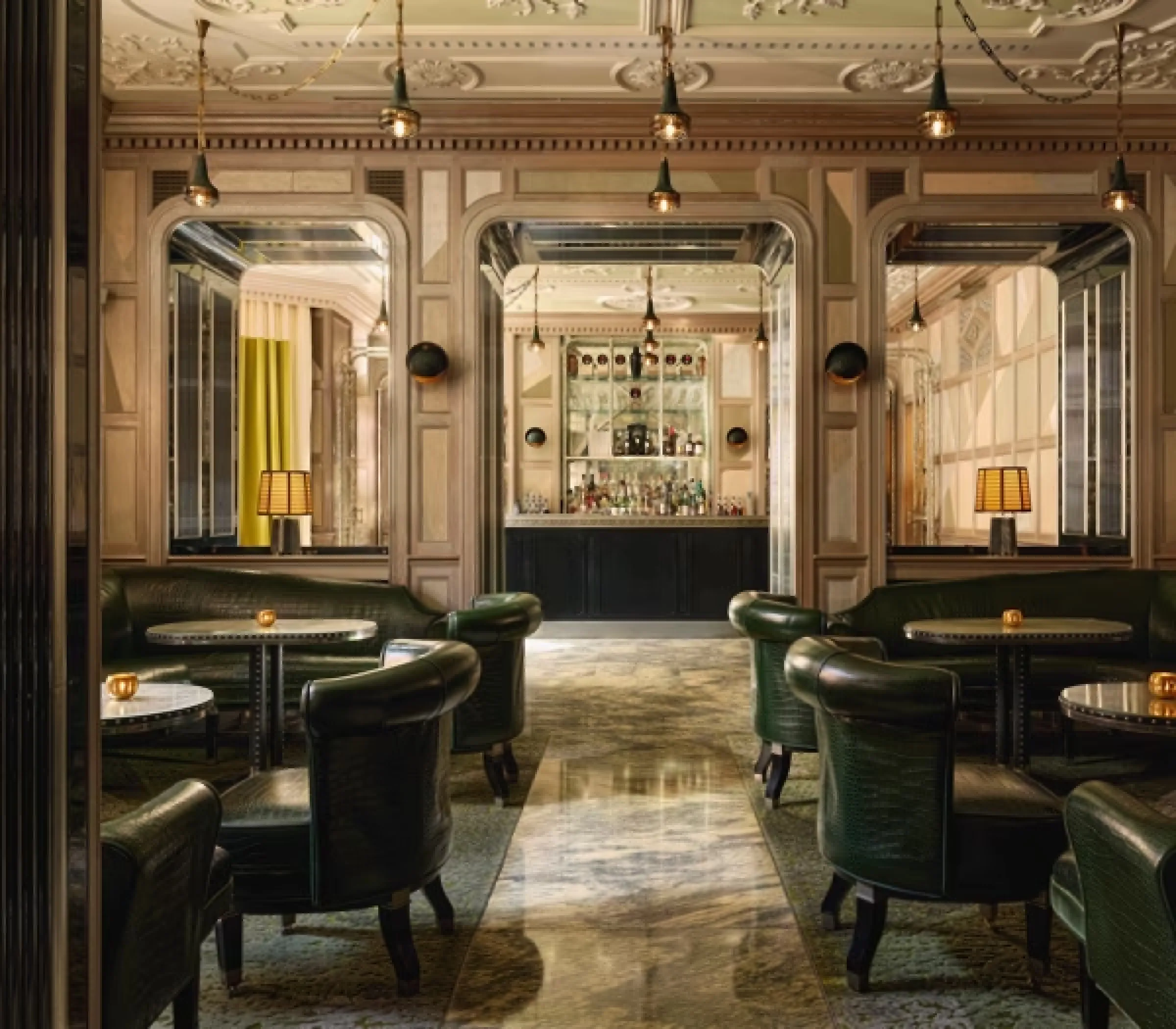
Understated Elegance
Smaller than Claridge's, with more personalised service, the Aman Spa in the basement, and the Connaught Bar — named the world's best bar multiple times.
Best for: connoisseurs, spa lovers, anyone who values intimate scale.
Read the review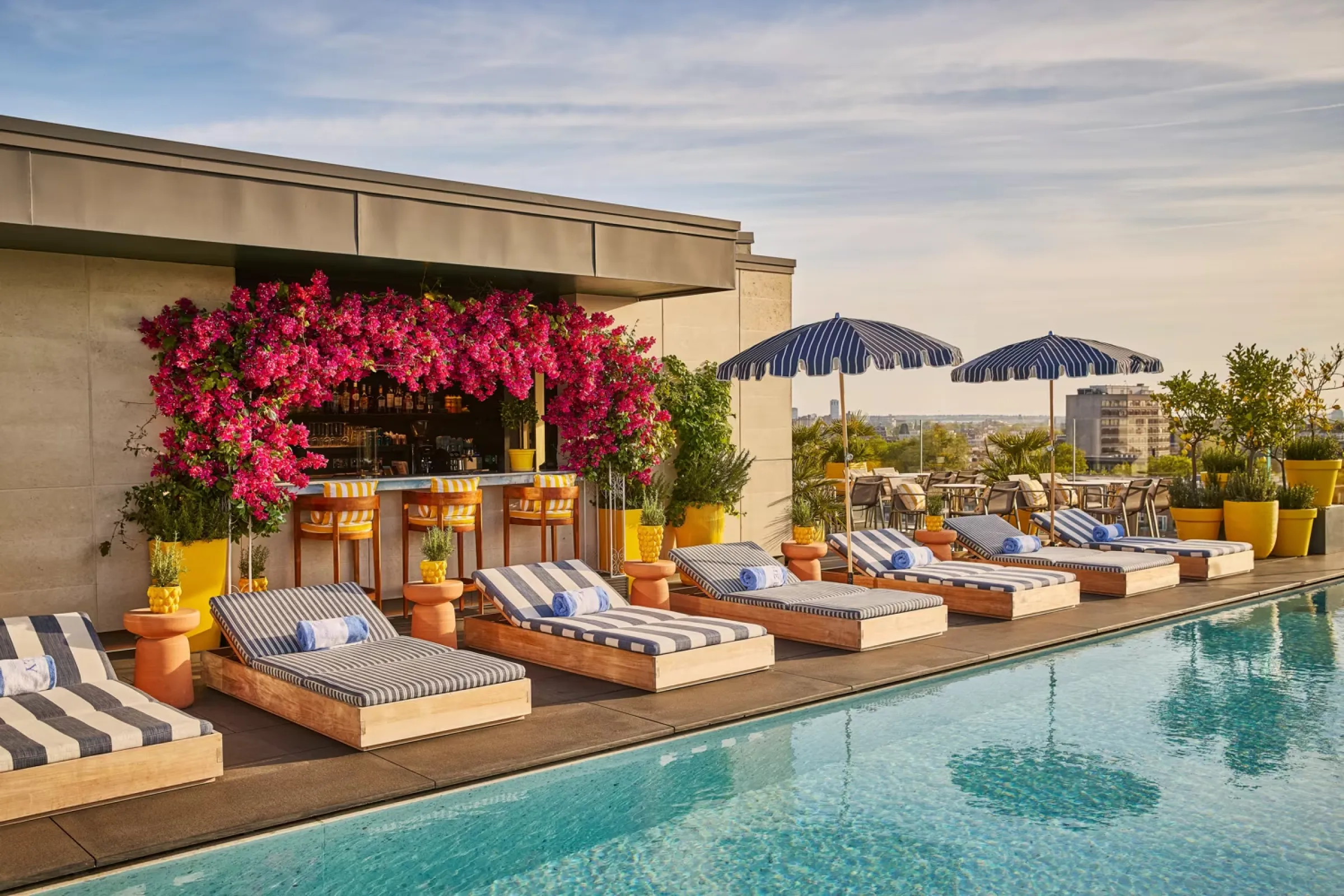
Rooftop Pool
A younger, more contemporary feel with a coveted seasonal rooftop pool and the Bamford Wellness Spa. From £550 per night.
Best for: contemporary luxury travellers, active guests, families with older children.
Read the review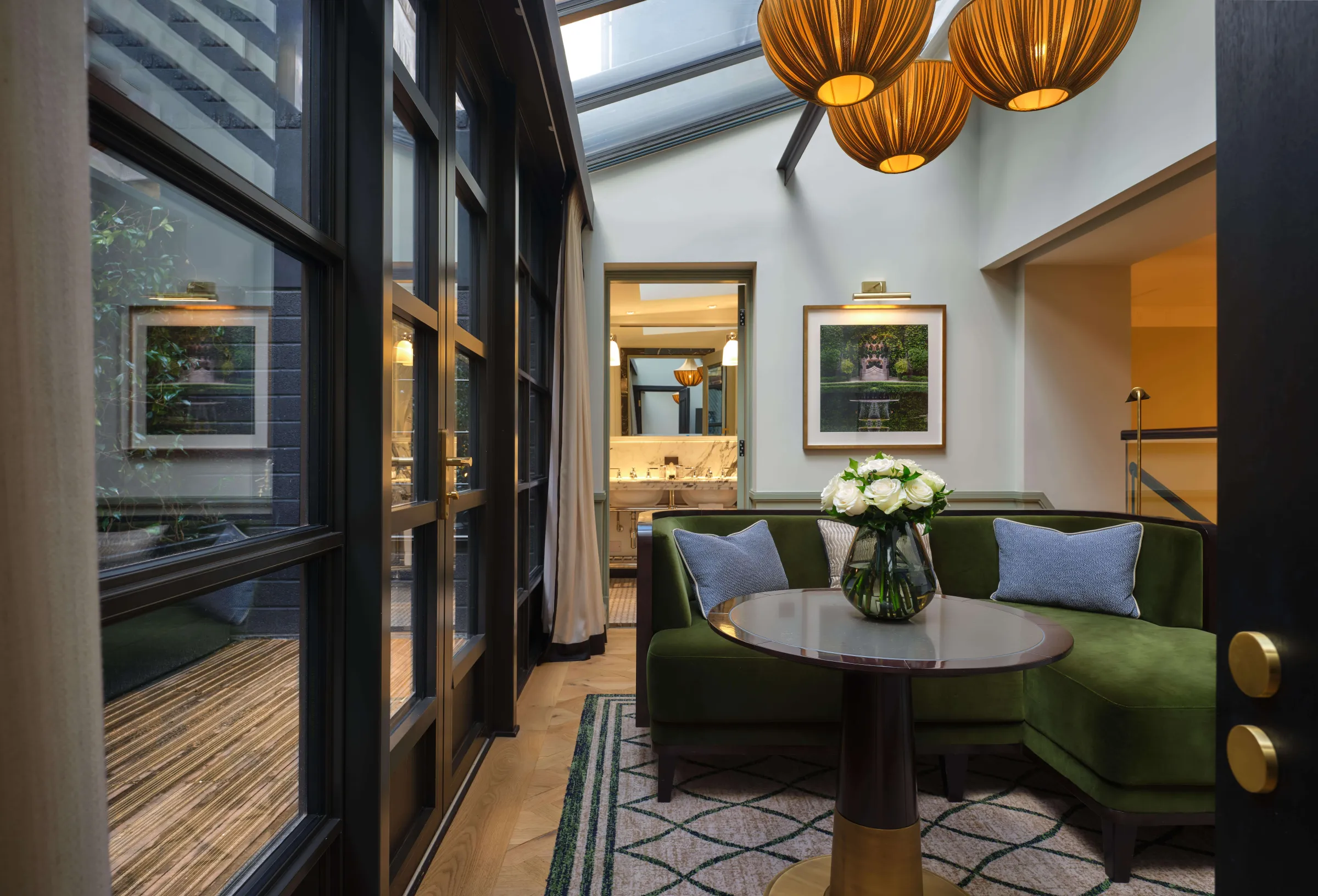
Boutique Art Deco
A 1926 art deco building on Brown Hart Gardens, converted with exceptional attention to detail. From £450 — intimate scale, distinctive sense of place.
Best for: design-conscious travellers who want serious luxury without brand-name grandeur.
Compare all hotelsRates across all Mayfair five-star hotels are lower in January and February, and during August. Booking direct with the hotel — rather than through an OTA — often unlocks complimentary upgrades, early check-in, and breakfast inclusion.
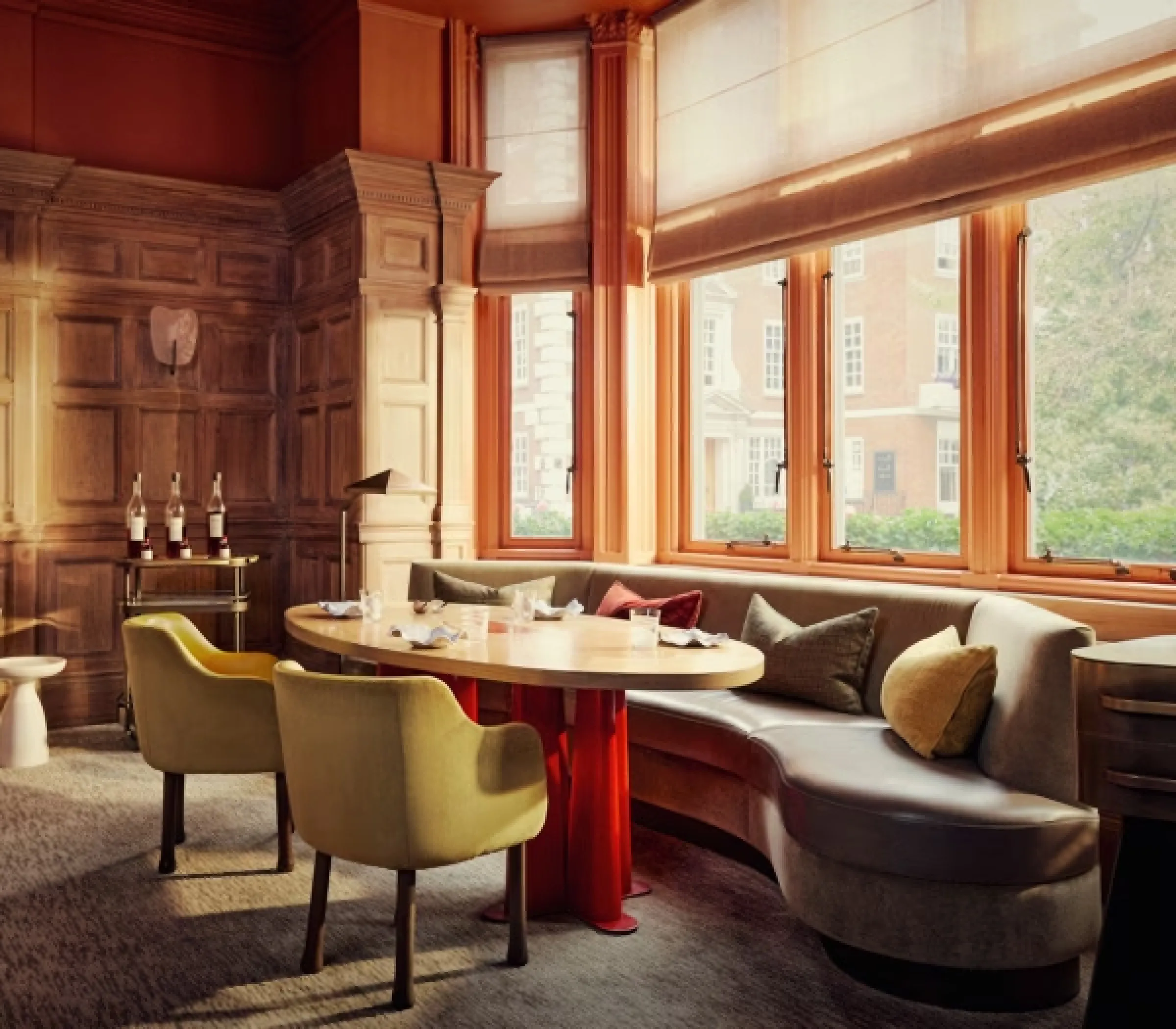
Mayfair has one of the highest concentrations of Michelin-starred restaurants anywhere in the world, and that's not a casual claim. Within a few minutes' walk you'll find restaurants that have held stars for decades alongside newer arrivals that have redefined what London fine dining can be.
Hélène Darroze at The Connaught is arguably the area's most celebrated table — three Michelin stars, a menu driven by exceptional French regional produce, and a dining room that manages to be both grand and intimate. Booking two to three months ahead is realistic; peak seasons require more notice. The tasting menu runs to around £195–£230 per person before wine.
Kiku on Half Moon Street is a quieter recommendation — a Japanese restaurant with a loyal following among Mayfair regulars who know that the kaiseki menu here rivals anything in central London. Less famous than some of its neighbours, which means getting a table is somewhat easier, but don't mistake lower profile for lower quality.
Mayfair rewards exploration beyond the obvious. Some of the best meals in the neighbourhood happen in places that don't advertise themselves aggressively.
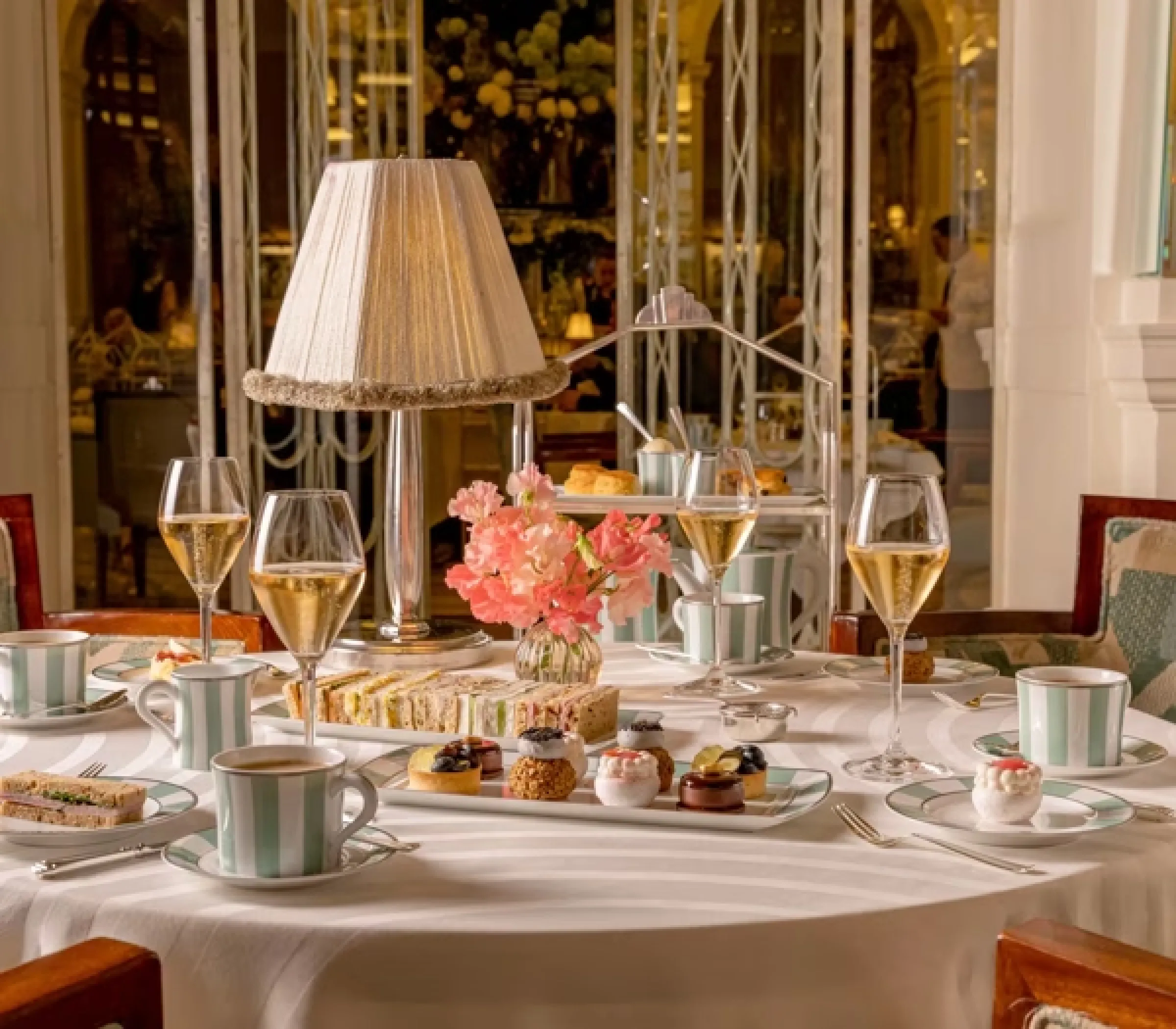
At Claridge's, the experience runs to around £75–£85 per person (2025 prices) and takes place in the hotel's art deco foyer — one of the most beautiful interior spaces in London. Book at least four to six weeks ahead, more during the Christmas period. The Dorchester's afternoon tea is slightly different in character — more classical, perhaps slightly more formal, with views over the hotel's promenade.
Shepherd Market is where Mayfair locals actually eat. The restaurants here are smaller, less formal, and considerably more affordable than the hotel dining rooms — without sacrificing quality. Shepherd's Tavern is the area's most beloved pub, with proper British food and a genuinely local atmosphere.
Sexy Fish on Berkeley Square is polarising — it's loud, theatrical, and visually overwhelming — but the cocktails are excellent and the fish dishes are seriously good. The bar at Claridge's is the quieter alternative: perfectly made Martinis, hushed conversation, and the feeling that time moves differently here. Drinks in Mayfair typically run £15–£22 per cocktail at hotel bars and upmarket venues.
Getting There
Mayfair is served by four Underground stations. Green Park (Jubilee, Victoria, Piccadilly) is the most central, dropping you at the southern edge near the park. Bond Street (Central, Jubilee, Elizabeth) is the northern entry point, ideal if your first stop is shopping. Hyde Park Corner (Piccadilly) is best for The Dorchester and Park Lane hotels. Oxford Circus (Bakerloo, Central, Victoria) covers Regent Street and the top of Bond Street. Walking is genuinely the best way to experience the district — the distances are short and the streets are worth looking at.

Photo by Priyanka Chechi on Unsplash
When to Go
A Day in Mayfair
Start at Green Park station. Walk through Green Park to Buckingham Palace for the Changing of the Guard (arrive by 10:15am for a good position at the Victoria Memorial). Walk back to Piccadilly and turn north onto Bond Street.
Head to Shepherd Market for lunch at one of the independent restaurants — less expensive than hotel dining and more characterful.
Walk to Berkeley Square and spend time in the gardens. Head north to Grosvenor Square and then west along Mount Street for the afternoon.
Visit the Handel & Hendrix Museum on Brook Street (allow 90 minutes). Walk south to Claridge's for afternoon tea, or continue to the Connaught Bar for cocktails.
Dinner at a Michelin-starred restaurant (book well in advance) or a more relaxed meal at one of Shepherd Market's independent restaurants.
Budgeting
Five-star hotel (£700+/night) + Michelin-starred dinner (£200+/person) + afternoon tea (£80/person) + Bond Street shopping = £2,000+ per day for two people, easily.
Boutique hotel (£300–£450/night) + one special meal + cocktails at the Connaught Bar + gallery browsing + Shepherd Market lunch = £600–£800 per day for two.
Day visitor, afternoon tea at Claridge's (£75–£85/person), free gallery visits, lunch in Shepherd Market (£20–£30/person), drinks at a hotel bar = around £250–£300 for two for a full day.
The galleries, the parks, the architecture, and the atmosphere are all free.
The questions travellers ask us most often, answered honestly.
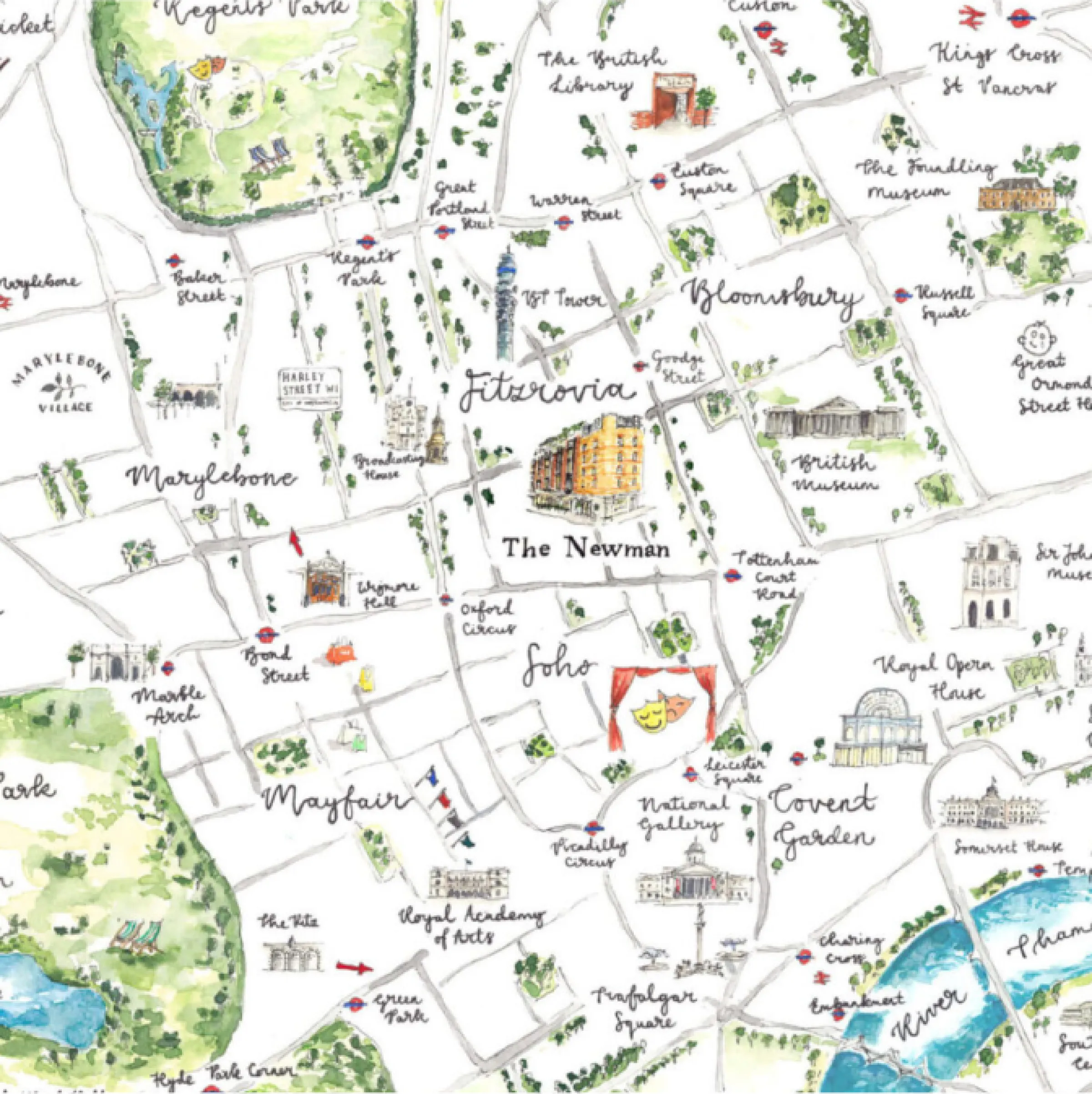
Mayfair is bounded, roughly, by Oxford Street to the north, Regent Street to the east, Piccadilly to the south, and Park Lane to the west.
The visitors who get the most from Mayfair are the ones who slow down — who walk a mews street they weren't planning to walk, step into a gallery with no particular agenda, take the time to sit in Berkeley Square and notice the trees. Use this guide as your starting point, and let Mayfair's own layers do the rest.
